

Bowls, frequently regarded as a beloved pastime across diverse cultures, boasts a rich history that dates back hundreds of years. This appealing sport has evolved significantly over the decades, enticing players of every age and proficiencies. From its origins in early civilizations to its contemporary popularity, the journey of lawn bowls is a testament to both heritage and progress. Today, it draws in newcomers eager to explore the green and seasoned players committed to refining their skills.
If you are a novice looking for help or an experienced bowler aiming to elevate your performance, comprehending the essence of lawn bowls enriches the journey. This article investigates the narrative and progression of this valued sport, presenting insightful tips for players at any stage. From fundamental equipment and guidelines to effective strategies and health benefits, accompany us as we uncover what establishes lawn bowls a distinct and enduring pursuit that fosters bonds within communities globally.
The Development and Background of Lawn Bowls
Bowling on the lawn has a vibrant history that goes back to ancient civilizations, with evidence suggesting that like games were played during the era of the Romans. Excavations indicate that a form of the game of bowling was enjoyed in ancient Egypt and later in the cities of Greece and Rome. The modern game of lawn bowls as we recognize it began to emerge in Britain during the century of the 1200s century, where fans played on natural grass surfaces in village greens and palatial grounds. It was during this time that the sport gained popularity among the nobility, setting the stage for its subsequent development.
The formalization of lawn bowls grew significantly in the 19th century with the creation of the initial bowling clubs and the development of standardized regulations. One of the turning points in the sport's evolution was the creation of the first official bowling club on record, the Sevenoaks Club in Kent, in the year 1766. As the game dispersed across the globe, diverse adaptations developed, often showcasing local traditions, thereby adding to the variety of the sport.
In the 1900s, lawn bowls underwent a change with the introduction of new materials and technologies, such as man-made surfaces and enhanced designs for bowls. These innovations expanded the reach and appeal of the game, allowing for a broader spectrum of playing styles and styles. Today, lawn bowls continues to attract players of all ages worldwide, celebrated not only as a sporting competition but also as a means of engagement with others and community involvement.
Crucial Bowling Equipment
To get started with lawn bowls, having the correct equipment is important for both performance and enjoyment of the game. One of the key items of equipment is the bowls themselves. Available in various sizes and weights, players should choose bowls that suit their hand size and delivery style. In addition, many players prefer biased bowls, which arch as they roll, adding an extra difficulty to their game. Properly fitted bowls can considerably enhance a player's ability to manage their shots and improve their overall precision.
Another necessary piece is a set of adaptive shoes tailored for lawn bowls. These shoes have a level sole, providing the required support needed during delivery while ensuring you maintain a good grip on the green. In addition, wearing proper clothing is crucial; players should opt for lightweight and flexible attire that allows for ease of movement. Some clubs may have specific dress codes, so it's wise to verify those rules before going out.
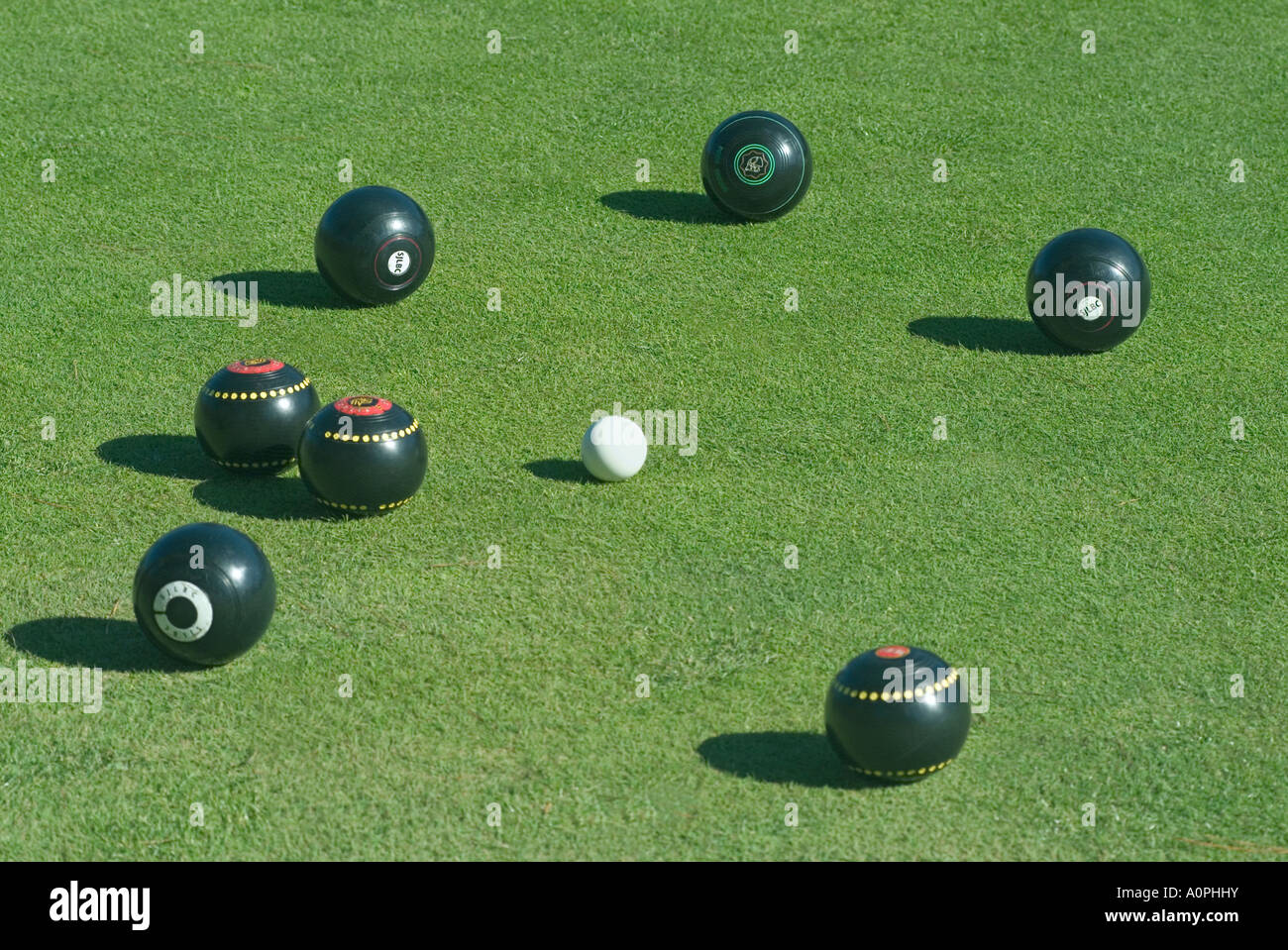
Finally, having a good quality jack, which is the smaller white ball used as a target, is important for practice sessions or informal games. A tape measure is also helpful for determining the closest bowl to the jack during tournament play. Other useful accessories include a towel to wipe your bowls and a bowl holder to keep them off the ground when not in play. Investing in these key pieces of equipment can make a substantial difference in your leisure and competitive lawn bowls experience.
Approaches to Boost Your Performance
Improving your lawn bowls game requires a mix of rehearsal, planning, and mental fortitude. One proven strategy is to emphasize reliability in your delivery technique. Establish a routine that allows you to throw your bowl in a uniform manner every instance. This includes mastering your posture, hold, and the follow-through of your throw. Frequent training periods where you can improve these aspects will produce increased precision and self-assurance on the green.
Another important factor is to examine your competitors and the conditions. Pay attention to how different types of grass and weather conditions affect the trajectory of the bowls. Grasping the subtleties of the green can improve your choices greatly. Contemplate practicing in different conditions to adjust your game to different situations. Additionally, studying Check out here ’ plays can provide insights into how to counter their plays effectively.
Finally, enhancing your psychological game can be as crucial as bodily skills. Learn to stay attentive, unflustered, and versatile during a match. Mental imagery techniques can assist you envision successful throws before you perform them. Moreover, setting specific objectives for growth, whether it is enhancing your precision or understanding the game's strategy better, will keep you motivated. Becoming part of practice groups or working with a trainer can additional improve your knowledge and application of the game, leading to comprehensive improvement.