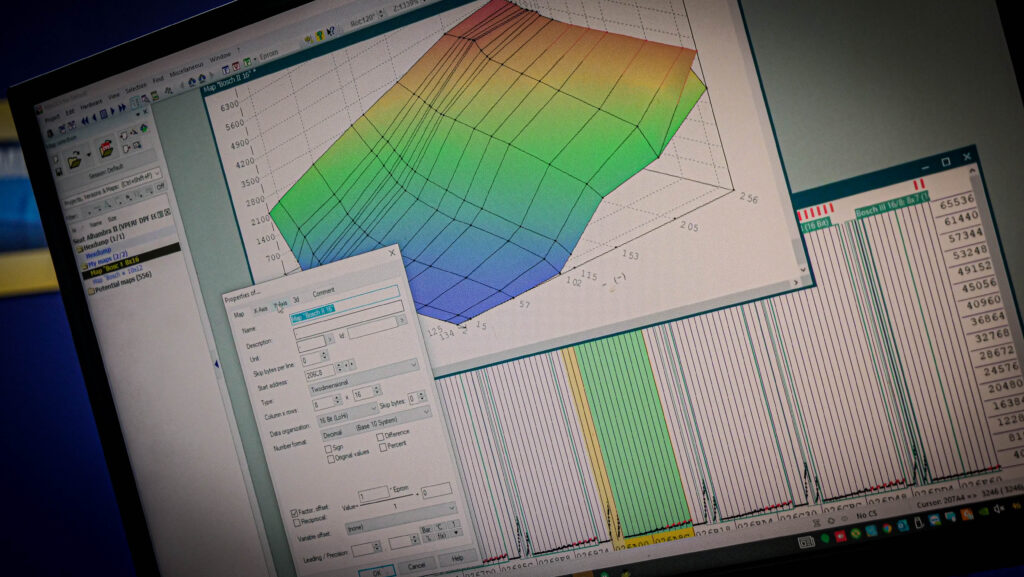
Automobile remapping is quickly becoming fame among car lovers and casual drivers alike, as it allows individuals to unlock the concealed potential of their vehicles. By altering the engine's ECU, or engine management system, tuning offers an chance to improve performance, increase fuel efficiency, and even tailor vehicle characteristics to fit individual driving preferences. However, navigating the world of car remapping can be challenging, especially for those unfamiliar with the technology and its effects.
In this piece, we will explore the universe of car remapping, exploring its benefits, risks, and key factors to consider before making a commitment. From understanding the technical aspects to assessing the pros and cons, we aim to provide a thoroughly detailed overview that empowers car owners to make wise choices. Whether you are a experienced car enthusiast or a interested newcomer, our resource will assist you learn how remapping can enhance your driving adventure and enhance your vehicle's performance.
Grasping Vehicle Remapping
Vehicle remapping is the procedure of altering the software that controls a vehicle's ECU. This program determines various factors such as fuel delivery, spark timing, and boost pressure. By modifying these settings, car enthusiasts and specialists can boost a car's capabilities, efficiency, and overall driving experience. Remapping involves either uploading a revised program file or modifying the existing one, allowing for tailored settings that satisfy the driver’s unique requirements and preferences.
The technology behind vehicle remapping has evolved considerably over the years. Initially, reserved for professional drivers, remapping has turned into accessible to everyday drivers wanting to enhance their cars. With improvements in diagnostic tools and software, remapping can now be performed quickly and efficiently. Several kinds of remapping exist, including generic maps that are pre-programmed for specific models and custom remaps that are tailored to individual vehicles. This variety allows for a wide range of customization options, accommodating to different performance goals.
As more drivers look to unlock the latent capabilities in their vehicles, understanding vehicle remapping is crucial. While the procedure can yield impressive improvements in horsepower and torque figures, it also requires understanding about the connected dangers and advantages. Awareness of how remapping impacts engine life, warranties, and coverage is important for those considering this modification. In the following parts, we will delve deeper into the advantages and drawbacks of car remapping, alongside practical considerations for individuals embarking on this tuning process.
Benefits and Risks of Remapping
Vehicle remapping offers a variety of benefits that can significantly enhance your driving experience. One of the primary advantages is improved performance. By optimizing https://refinedtuning.uk/ , remapping can lead to higher horsepower and torque, allowing for quicker acceleration and a much more responsive driving feel. Additionally, many drivers experience better fuel efficiency, as a well-tuned engine can operate more effectively under varying conditions. This efficiency not only saves money at the pump but can also reduce emissions, leading to a healthier environment.
However, there are dangers associated with car remapping that should not be ignored. One major concern is the risk for engine failure, especially if the remapping is performed incorrectly or without proper knowledge of the vehicle's specifications. Additionally, remapping can sometimes void manufacturer guarantees, leading to expensive repairs down the line if something goes awry. It's crucial for car owners to carefully research and choose trustworthy specialists to reduce these risks and ensure a secure remapping process.
In weighing the benefits against the risks, it's crucial to consider the long-term implications of remapping your vehicle. While the short-term advantages may be attractive, such as improved performance and fuel economy, the risk for high repairs and warranty issues can create obstacles. Ultimately, a well-informed decision will take into account the caliber of the remapping service, the type of vehicle, and how the changes align with individual driving habits and requirements.
Legal Aspects
When thinking about car remapping, it's crucial to be aware of the law implications. In certain areas, remapping may influence the vehicle's compliance with emissions regulations. It's vital to check local laws to confirm that the modifications do not lead to violations that could lead to fines or penalties. Additionally, while remapping is generally legal, it can cause complications if not done according to standards set forth by vehicle manufacturers.
From a practical perspective, car remapping involves altering the engine control unit settings to improve performance or efficiency. This process can differ greatly between brands and models, which is why it's crucial to use a qualified expert. They can ensure that the remapping is suitable with your vehicle's specifications and will not cause adverse effects on the engine's durability or reliability. Understanding the specific needs of your engine type—whether petrol or diesel—will also influence the success of the modification.
Lastly, it's vital to consider the warranty implications of remapping your vehicle. Many manufacturers declare that modifications like remapping can invalidate the warranty, particularly if the engine experiences failures linked to the modification. Before committing to remapping, check with your dealership or review your warranty documentation. This careful consideration will help you navigate any potential risks associated with enhancing your vehicle's performance.