

In the construction and infrastructure development sector, utility surveys serve a vital yet frequently disregarded purpose. These investigations provide vital information regarding subsurface and surface utilities, detecting power lines, water systems, gas mains, and other vital services that reside beneath the surface. Recognizing the definition and importance of utility surveys helps project managers, developers, and contractors sidestep expensive errors.
The significance of utility surveys cannot be overstated, as they serve as the foundation for successful construction projects. By assessing the existing utility infrastructure, these surveys help in planning and executing construction tasks efficiently, reducing costly setbacks and bolstering site safety. https://surveyorsyorkshire.com/ examines the concealed insights surrounding utility surveys, evaluating their relevance, approaches, and the difficulties encountered, while showcasing the cutting-edge technologies reshaping the industry. Whether you're engaged in a small project or a large infrastructure endeavor, understanding the intricacies of utility surveys is crucial for achieving successful results.
Understanding Utility Surveys
Utility evaluations are critical evaluations performed to identify and chart the location of subsurface and overhead utilities within a designated area. These services can include water, natural gas, electricity, communication services, and drainage systems. By utilizing various approaches, including ground-penetrating radar and electromagnetic detection devices, utility surveys provide precise data on the infrastructure that lies beneath the ground. This information is essential for preventing accidental damage during construction projects, which can lead to financially burdensome repairs and delays.
The significance of utility surveys cannot be downplayed, especially in the domain of infrastructure and development projects. They act to advise planners, technical experts, and builders of the precise locations of existing services. This understanding not only assists in strategy and layout but also boosts adherence with safety standards and industry standards. With an detailed utility survey, stakeholders can avoid potential hazards, ensure the longevity of existing infrastructure, and sustain efficient workflows throughout the project timeline.
As technology keeps to advance, so do the approaches used in utility assessments. Innovative technologies and techniques have arisen, facilitating increased data gathering and evaluation. For example, advancements in GPR technology allow for deeper penetration and higher-quality imaging. Moreover, the combination of BIM with utility surveys offers opportunities for better representations and preparation. Grasping these developments is important for practitioners in the industry, as it equips them to make well-informed choices that optimize project outcomes and improve site safety.
A Importance of Utility Assessments in Building
Utility surveys serve a key function in the building sector by delivering essential information about the position and state of underground utilities. This information is crucial for builders and site managers to schedule their work effectively, preventing unnecessary delays and complications during the project. By understanding the various utilities existing on a site, construction teams can minimize risks associated with accidental hits or harm to essential services such as gas, water, and electricity.
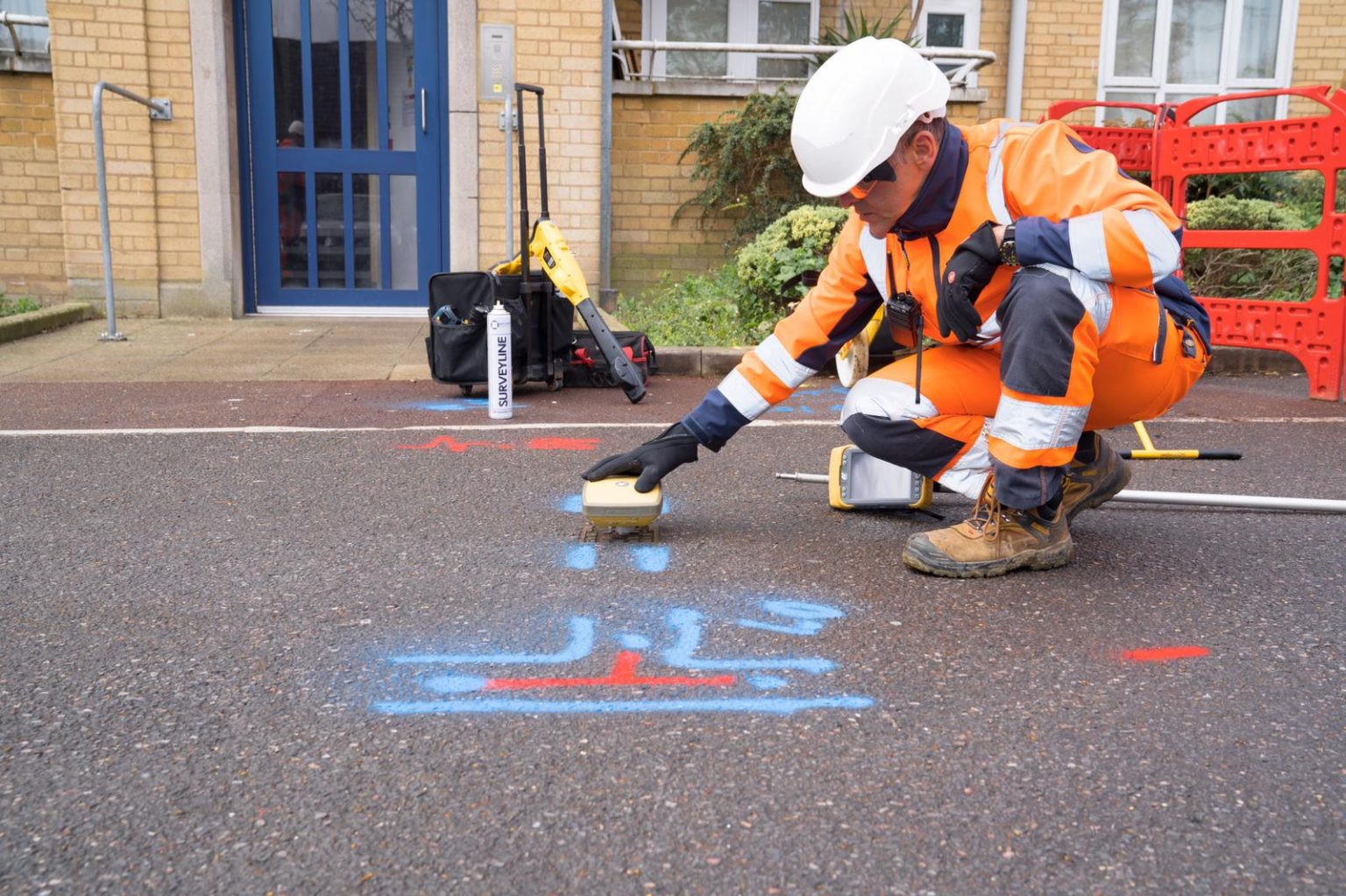
Performing a utility survey before the start of building not only improves construction efficiency but also significantly reduces potential hazards. Knowledge of subsurface utilities helps in creating less risky building practices and applying suitable security protocols on-site. Moreover, greater understanding of the existing infrastructure allows for enhanced coordination with utility companies, ensuring that any essential changes or moves can be managed efficiently, thus keeping project schedules.
Additionally, the insights gained from utility assessments support regulatory compliance and assist in fulfilling local authorities mandates. Various jurisdictions may mandate comprehensive utility surveys as part of planning requests or ecological assessments. By investing in comprehensive surveys of utilities, contractors can prevent costly delays, penalties, and possible legal issues, ultimately protecting the project's monetary viability and success.
Best Methods for Conducting Utility Surveys
To ensure the efficacy of utility surveys, it is crucial to engage skilled professionals who are familiar with area utility codes and tools. Choosing a company that concentrates in utility surveying can significantly enhance the precision and reliability of the results. It is important to review their qualifications and past work to confirm they have the necessary expertise and equipment for the distinct requirements of your project. A good utility survey company will have a strong understanding of both above-ground and underground utilities, assisting to identify possible hazards before any excavation starts.
Before performing a utility survey, planning is key. This requires gathering all related information about the site, including existing utility maps, previous survey reports, and any historical data that may inform the survey process. Coordinating effectively with utility companies and local authorities can aid in obtaining accurate records of utility locations. Additionally, defining clear objectives and expectations for the survey will assist in focusing efforts on the most vital aspects, ultimately resulting in a more effective outcome.
Finally, it is crucial to document the entire utility survey process meticulously. This entails maintaining detailed records of the methodologies used, findings, and any challenges encountered. A thorough utility survey report should include clear visuals and descriptions of noted utility locations, potential conflicts, and recommendations for upcoming actions. This documentation not just supports existing projects but also serves as a beneficial resource for upcoming developments, guaranteeing that insights gained are not lost over time.