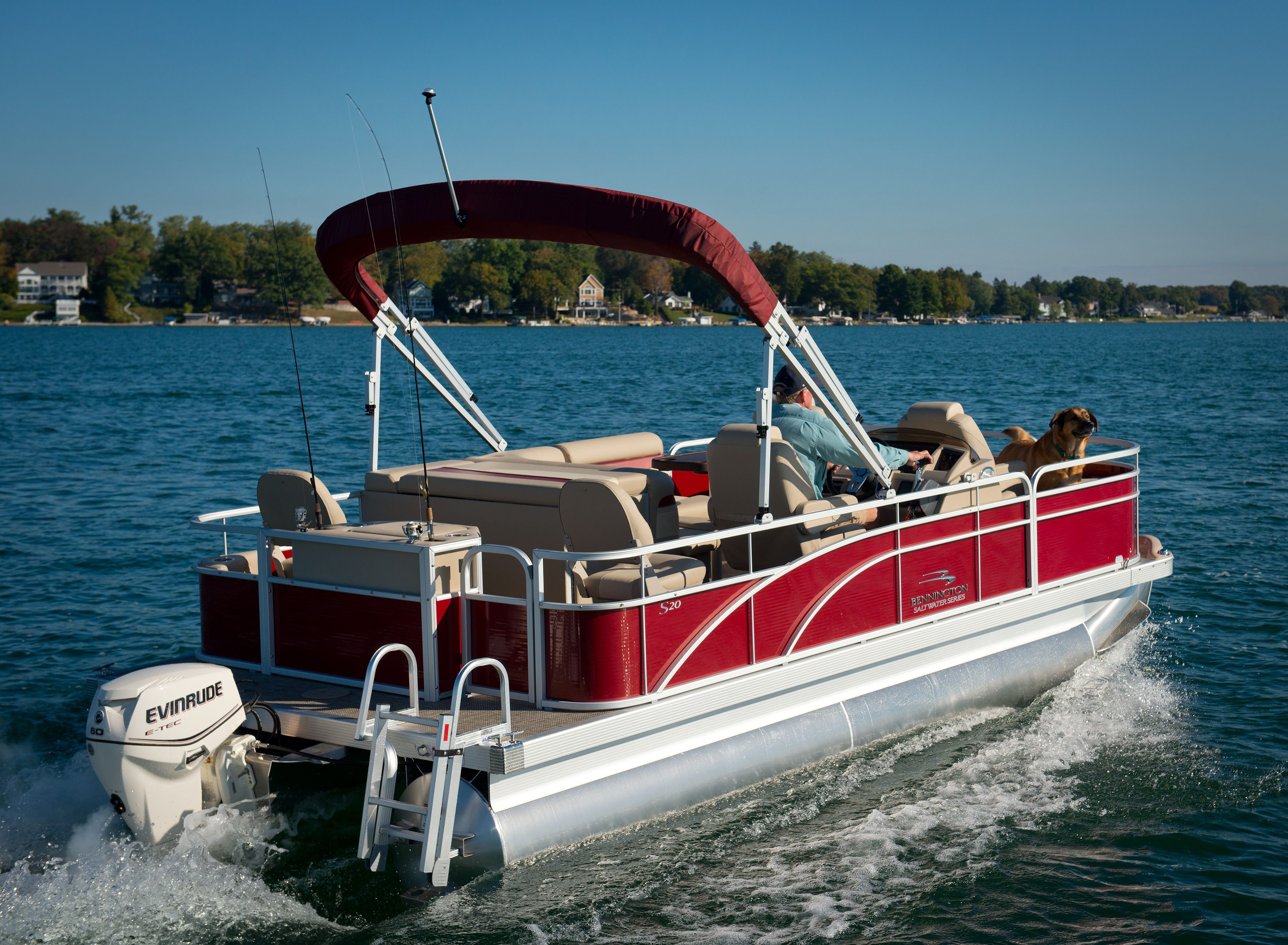
Acquiring a boat cover may seem like a straightforward task, but it is filled with nuances that can lead to costly mistakes if not approached with caution. As a vessel owner, ensuring the durability and protection of your investment is crucial. A high-quality boat cover not only shields your vessel from harsh weather conditions but also plays a critical role in maintaining its state and re-sale value. With so many alternatives available, it’s common to feel overwhelmed and unsure about making the right choice.
To assist you with this essential buying process, we have created a thorough checklist. This resource will provide you with essential information and insights that will enable you to avoid common pitfalls. From comprehending the value of fabrics and types to learning how to correctly size up your boat, we will cover everything you need to know to choose the ideal cover for your particular requirements. Whether you're facing showers, cold, or blistering sun, having the appropriate cover can make all the impact. Let’s explore into the key components of making a good purchase decision.
Key Attributes of Boat Covers for Boats
As you choose a vessel cover, durability is at the forefront of your thoughts. A quality tarpaulin is typically made of durable materials that can withstand harsh weather elements, such as sun, rain, and snow. Look for fabrics such as canvas, which provide different benefits in terms of durability and weight. Additionally, look for covers with strengthened stitching and seams, as these characteristics enhance lifespan and ability to tearing.
Ultraviolet protection is an additional critical aspect to consider. Long-term exposure to sunlight can cause serious damage to your vessel's surface, including fading and cracking. Selecting a cover with a UV-resistant coating assists guard your boat from hazardous rays, ensuring that your investment stays in excellent condition. This feature is particularly crucial for those residing in sunny climates or operating their vessels regularly during the summer months.
Moreover, good ventilation is essential for avoiding moisture buildup under the tarpaulin, which can lead to mold and mildew. Seek out boat covers that include venting systems designed to air circulation while still providing a snug fit. Narrow Boat Cover preserves the interior of the boat but also lessens the risk of unpleasant odors. By focusing on these essential features, you can ensure that you choose a cover that meets both your protection needs and enhances the longevity of your boat.
Typical Errors to Avoid
A frequent error watercraft owners make is neglecting to properly measure their boats before purchasing a protection. Accurate dimensions are essential for ensuring a snug fit that provides optimal protection. Operators should take into account various dimensions such as length, width, and elevation, including any added attachments like masts or antennas. Failing to do so can lead in a cover that is either too loose, permitting dirt and moisture inside, or too tight, potentially causing damage to the cover and the vessel itself.
A frequent error is not recognizing the significance of fabric quality. Some boat owners opt for lower-cost covers that lack strength and sufficient defense against the elements. Spending in high-quality materials, such as marine-grade canvas or polyester, can provide superior protection to UV rays, water, and mildew. Understanding the specific needs of one's boat and the typical weather conditions in the region can help owners choose the appropriate fabric, ensuring longer-lasting safeguarding and less frequent changes.
Several boat operators also overlook the need of securing their covers properly. A badly secured cover can be lifted by wind, leading to damage and dirt accumulation. It’s important to utilize appropriate tie-downs or straps to ensure the cover stays in place, even harsh conditions. Additionally, adding a venting system can help stop moisture build-up, ultimately preserving the condition of the boat underneath. Implementing these protective actions will enhance the overall effectiveness of a boat cover.
Care and Maintenance Recommendations
To ensure your boat cover stays in top condition, regular cleaning is crucial. Use a gentle soap mix and a gentle brush to remove grime, salt, and grime. Make sure to wash well and let the cover to dry completely before putting away it, as moisture can promote fungus and mildew development. Avoid using strong chemicals or bleach, as these can damage the fabric and reduce its lifespan.
When it comes to keeping your boat cover, keep it in a chill, dry place, preferably in a ventilated bag. Avoid folding it in such a way that can create creases, as these can weaken the material over time. If your cover is subjected to the elements while in use, ensure that it is regularly inspected for signs of wear and tear, such as tattered seams or dull colors. Addressing these issues promptly can save you from costly repairs.
Finally, think about using protective products designed explicitly for boat covers, such as UV protectants and water resistant sprays. These can enhance the cover's effectiveness and offer added protection against the UV rays and rain. Additionally, familiarize yourself with how to properly secure the cover to your boat to prevent wind damage while traveling. A properly cared for cover not only extends its life but also efficiently safeguards your boat from various natural threats.