

For owners of boats, protecting your investment is a top priority, and one of the most effective ways to do that is by selecting the suitable boat cover. Whether you are storing your boat during the offseason or trailering it to your beloved waterway, a good cover shields your vessel from the weather, dirt, and possible harm. With so many options available, finding the right boat cover can feel daunting. This guide aims to make easier the decision-making process, helping you guide through different materials, styles, and features.
From understanding the advantages of UV protection to contrasting custom and universal covers, we’ll explore important topics that every boat owner should consider. With insights on care, how to size your boat for a perfect fit, and suggestions for extending the life of your cover, you will be ready to make an wise choice. So, let’s set sail on this path and discover how to protect your boat in elegance!
Key Boat Protective Cover Advantages
A premium boat cover acts as a defensive barrier against environmental elements, safeguarding your asset from precipitation, snow, and UV rays. By protecting your boat from moisture, it helps prevent the growth of mold and mildew, which can wear down materials over time. Additionally, a cover safeguards against grime, debris, and potential structural damage, ensuring your boat stays in excellent condition for a long time to come.
An additional significant advantage of using a boat cover is that it can lower maintenance costs. Frequent exposure to severe weather conditions can lead to fading and damage on your boat's exterior and interior components. A correctly fitted cover lessens this damage, so you invest less effort and money on fixes and maintenance efforts. This preventive approach not only preserves the boat's aesthetic appeal but also increases its market value.
In addition, boat covers add to ease for boat owners. With the right cover, you can easily get your boat for moving or storage, making it easier to transport with your vessel or tuck it away during off-seasons. Some covers offer features like quick-release systems and airflow, making them easy to use. A well-designed cover means less hassle and more opportunity enjoying your time on the water. spintax
Picking the Ideal Cover
Choosing the right boat cover demands careful assessment of different factors, including size, design, and material. Firstly, measuring your boat accurately is crucial to ensure a secure fit that will shield your vessel effectively. To measure, commence from the tip of the front to the back of the transom, and take into account the width. It's vital to factor in additional features on the boat like masts or T-tops, as they can impact the type of cover you need. A proper cover will not only provide enhanced protection from the weather but will also prevent water accumulation and mold formation.
Afterward, you'll need decide between tailored and standard boat covers. Tailored covers are designed to your boat's specifications, providing the best fit and protection, especially for special shapes and sizes. They often come with extra features like reinforced seams and dedicated cutouts for accessories. On the other hand, universal covers are more affordable and versatile, but may not fit as snugly. When choosing, consider how often you use your boat and the primary conditions it will face, as this will help determine which option is more appropriate for your needs.
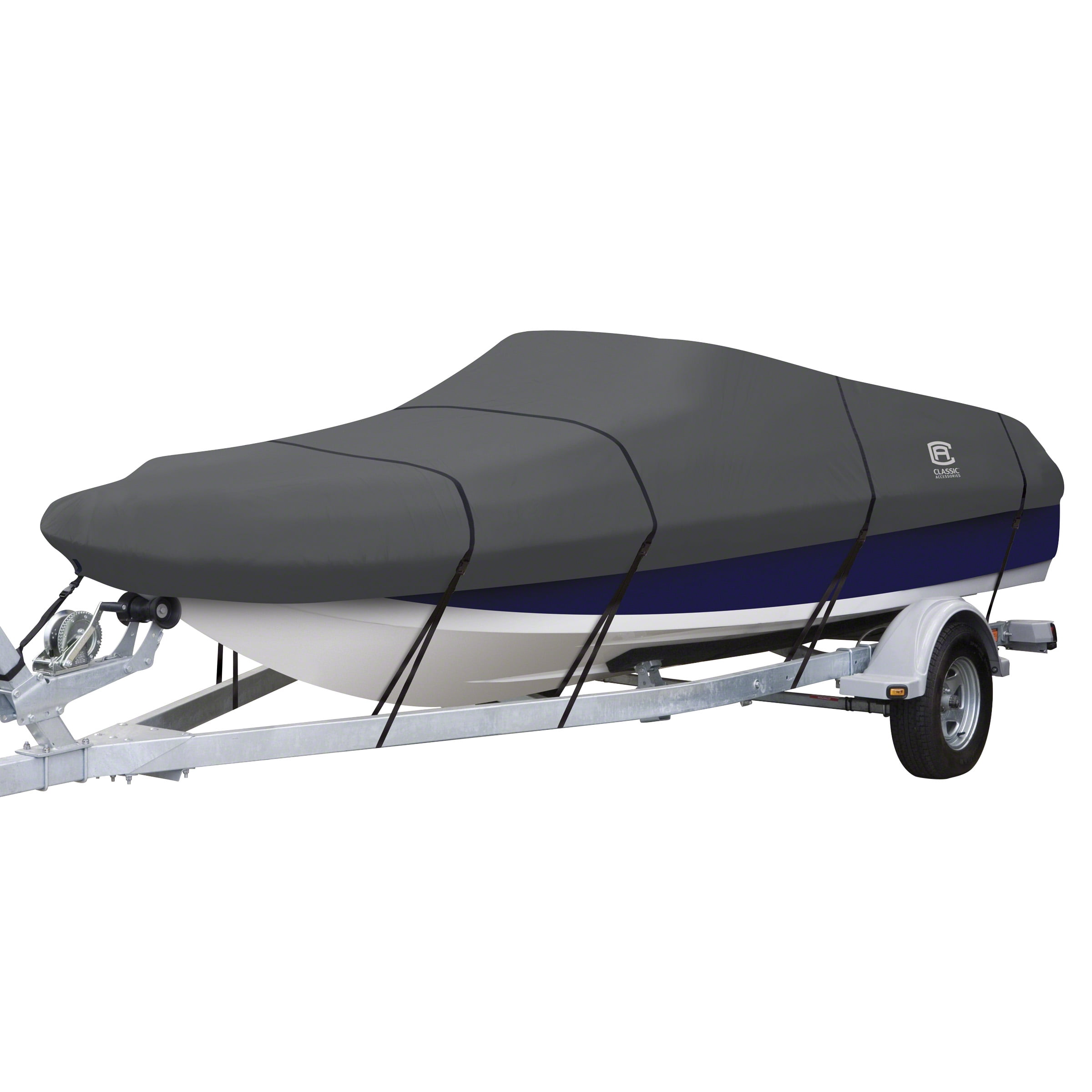
Ultimately, think about the materials used in the boat cover. Typical materials include canvas and polyester, each with distinct benefits and drawbacks. Canvas offers strength and resistance to tearing but can be bulkier and less water-resistant. Polyester, on the other hand, is generally lighter and comes with high water resistance, making it easier to manage. Additionally, think about click here like UV protection and waterproof features, especially if you live in a region with intense sunlight or heavy rainfall. By considering these aspects, you can pick a cover that safeguards your investment effectively while fitting your boat's aesthetic and your budget.
Care and Care Tips
To guarantee your boat cover holds the trial of durability, regular maintenance is crucial. Start by clearing any debris, including leaves or dirt, after each use. This avoids mold and mildew buildup, which can damage the materials over time. If possible, rinse the cover with fresh water to remove salt and grime, particularly if you have been in in seawater. Be sure to allow the cover to dry completely before storage to prevent moisture accumulation, which can result in unwanted odors and deterioration.
Maintaining cleanliness is another critical aspect of maintenance. Use gentle soap and a soft brush to softly scrub the cover, focusing on any stained areas. Avoid strong chemicals that can weaken the fabric. After cleaning, wash thoroughly with clean water and allow it to air dry completely in a shaded area, as direct sunlight can cause fading. Think about applying a fabric protector specifically designed for boat covers to enhance water resistance and UV protection.
When storing your boat cover, keep it in a cool, dry place away from direct sunlight. Pack it neatly to avoid creasing and place it in a breathable bag rather than a plastic one, which can trap moisture. Regularly inspect the cover for any signs of wear or damage, such as frays or tears. Addressing minor repairs promptly can help lengthen its lifespan and maintain the protective qualities essential for your investment.