

Within the current fast-paced environment, the vending industry is undergoing a change inspired by technology. Contemporary vending operators are more and more understanding that an integrated operating system can be the solution to achieving operational efficiency, profitability, and expansion. Employing the right vending management software, operators can simplify their operations, control inventory with greater precision, and enhance customer satisfaction. This transformation in vending operations is not just a passing phase; it signifies a fundamental change in how businesses can leverage technology to enhance their processes.
As the needs of consumers evolve and the environment of retail shifts, it is crucial for vending businesses to embrace intelligent operating systems that provide live data, automated payment systems, and route streamlining. Check over here of using these advanced tools extend beyond mere ease; they offer a tactical advantage that can transform a vending business into a competitive powerhouse. In this piece, we will examine how technology is revolutionizing vending operations and provide guidance on how you can choose the most suitable operating system to elevate your vending operation to greater levels.
The Impact of Vending Operational Systems
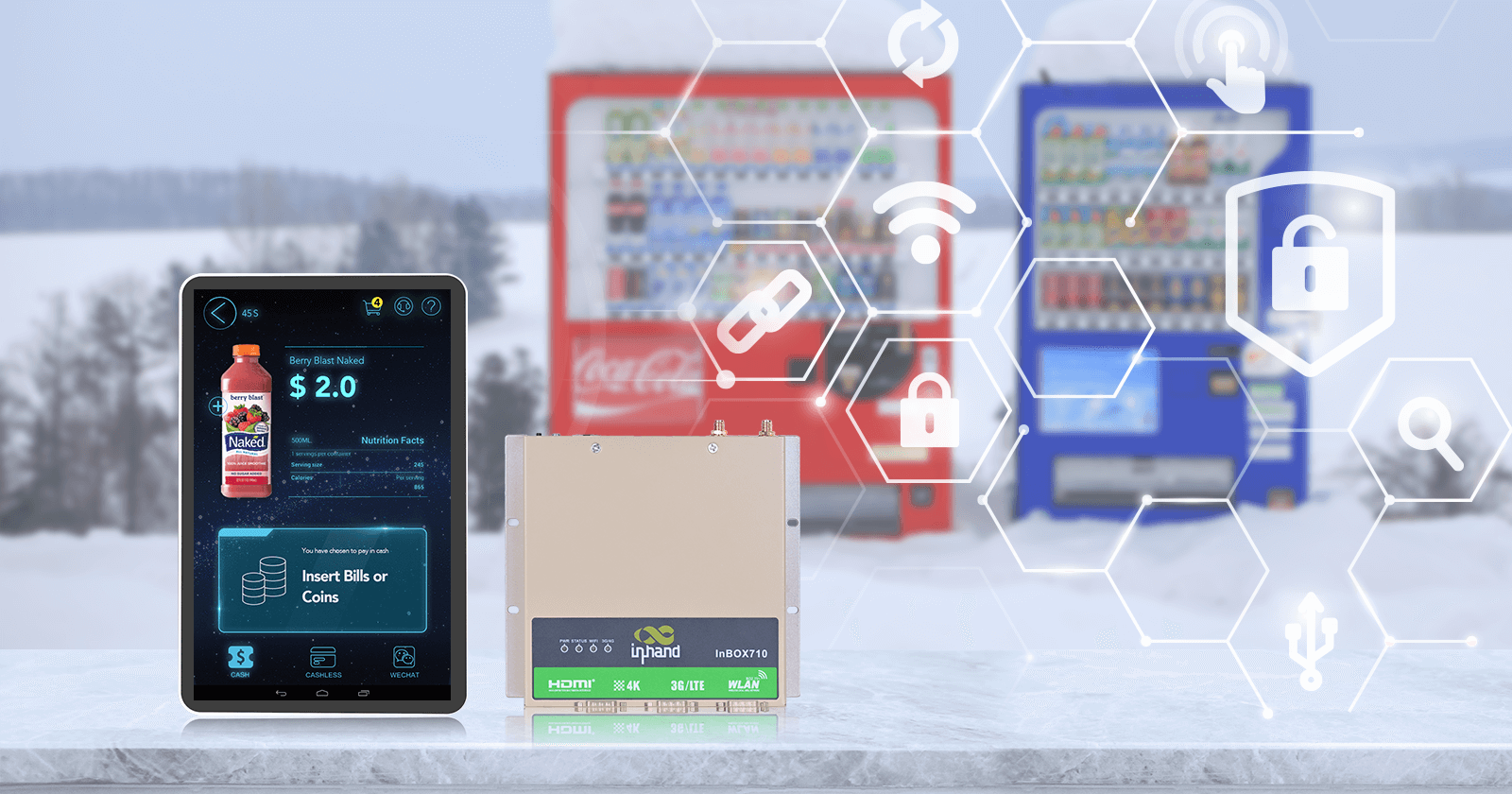
Automated operational systems has risen as a game changer for operators, providing a centralized platform to oversee various aspects of their operations. It simplifies processes that were once manual, allowing operators to control inventory, track sales, and optimize route efficiency with convenience. By automating these tasks, business owners can reduce human error and save valuable time that can be allocated towards expanding their operations and improving customer satisfaction.
One significant impact of vending management software is its capacity to harness up-to-the-minute data. This data empowers business owners to make informed decisions based on up-to-date market trends, consumer preferences, and equipment performance. For instance, operators can monitor which products are selling well and alter inventory accordingly, minimizing waste and ensuring best sellers are always in stock. This analytics-based approach not only improves financial gain but also helps business owners stay competitive of their competition.
Furthermore, the adoption of digital payment options through vending management software is transforming the way customers engage with vending machines. As cashless transactions become the norm, having a system that facilitates multiple payment methods ensures business owners can serve a wider audience. This transition enhances customer satisfaction and increases sales, making it essential for contemporary vending operators to adapt to evolving consumer preferences and preferences through effective software solutions.
Key Features for Modern Vending Operators
Modern vending operators demand a comprehensive operating system that improves their enterprise processes. One crucial feature is instant inventory tracking, which permits operators to oversee stock levels throughout various machines. This feature not only helps prevent stockouts but also ensures that in-demand items are always available, improving customer satisfaction and maximizing sales. Furthermore, operators can receive notifications when items are running low, facilitating timely restocking and minimizing operational inefficiencies.
Another critical feature is route planning technology. By evaluating data on machine sales patterns, traffic, and product performance, vending management software can suggest the best routes for inventory replenishment. This reduces travel time and fuel costs while making sure that machines continue to stocked with in-demand products. The ability to improve operational tasks straight translates to enhanced profitability and superior service delivery, making it a must-have for current operators.
Automated systems is also an integral aspect of an effective vending operating system. Features that automate payment processing, inventory updates, and customer engagement can greatly lessen manual workload for operators. Moreover, integrating cashless payment options delivers ease to customers, catering the growing preference for digital payments. As technology continues to evolve, the significance of automated systems in enhancing operational efficiency and providing a smooth customer experience cannot be overstated.
A Outlook of Automatic Retail Technology
As tech continues to evolve, the automated retail sector is prepared for major transformation. The adoption of smart management platforms is becoming necessary for automated retail operators looking to enhance operations and improve client satisfaction. With improvements in artificial intelligence and ML, these technologies can analyze consumer behavior, manage inventory control, and facilitate real-time data analytics, eventually leading to enhanced operational efficiency and profitability.
Furthermore, the trend towards digital payments is reshaping how transactions take shape at automated kiosks. Modern consumers increasingly prefer using mobile wallets and touchless transaction methods, encouraging operators to adopt these options into their systems. This transition not only meets client wants but also enhances security and reduces the risks associated with cash handling. Providers who adopt cashless technology will likely see boosted sales and a more comprehensive customer database.
The prospects also points towards more mechanization within automatic retail operations. From self-operating inventory restocking to automated repair solutions, operators can leverage technology to reduce downtime and enhance route performance. As predictive analytics gain importance, operators will be better equipped to make data-driven decisions that boost profits and client satisfaction. By adopting these developments, vending operators can innovate their offerings, align with market demands, and ensure sustained growth in a dynamic landscape.