

Dental implants have transformed the way we handle dental replacement, providing a long-lasting and visually appealing choice for those facing missing teeth. Whether caused by injury, cavities, or other oral health issues, tooth loss can considerably impact one’s self-esteem and well-being. As more people seek efficient ways to recover their smiles, knowing the details of dental implants becomes important.
In this comprehensive guide, we will explore all you need you need to know about dental implants. Covering the basics of what they entail and how they function to the advantages they give over traditional dentures, we aim to prepare you with the complete information to decide wisely. We will address the various procedures associated, what to expect during the treatment, and how to maintain your implants for long-lasting results. Whether you are thinking about implants for the first occasion or simply looking to learn more, this guide is designed to give the understanding and assurance you need.
Grasping Teeth Implants
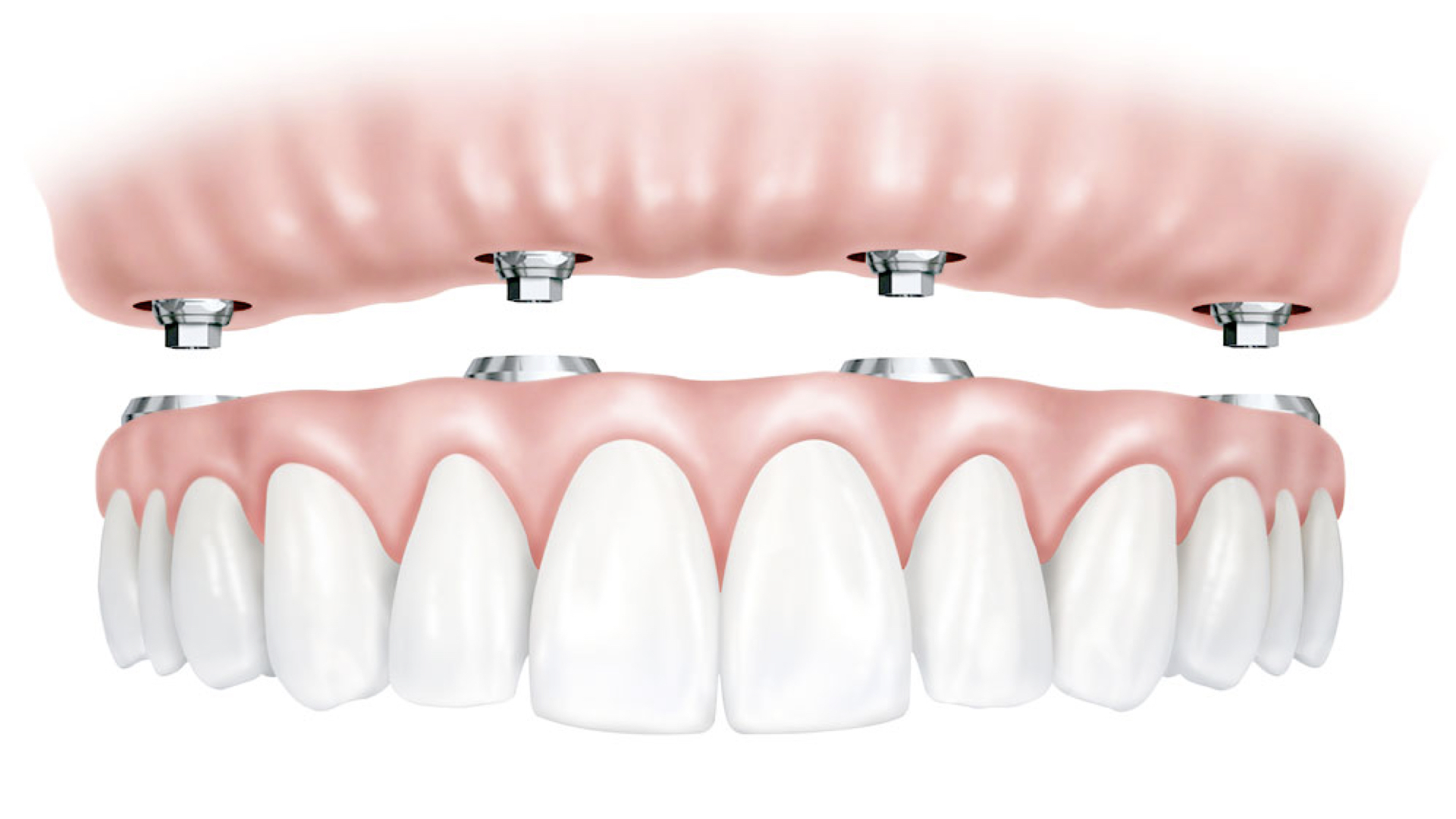
Implants are man-made dental anchors made of body-friendly materials that are surgically placed into the jawbone to secure artificial tooth or bridges. They provide a stable and durable foundation for non-removable or removable teeth that are made to duplicate real tooth. This innovative approach has revolutionized the manner absent tooth are replaced, allowing for better function and appearance.
The process of receiving tooth implants generally involves several stages, starting with a thorough examination and treatment design. The oral surgeon will check your mouth status, the amount of bone available, and your general well-being to determine the best method. Once the anchor is placed in the mandible, a healing period comes next, during which the device fuses with the osseous tissue in a procedure called osseointegration. This ensures a strong attachment and holds the replacement teeth adequately.
One of the key pros of dental implants is their capacity to bring back natural tooth utility, allowing individuals to eat, speak, and smile with assurance. Unlike usual dentures, which can slip and cause inconvenience, dental implants are anchored stably within the bone, providing a reliable choice. As a result, many individuals find that oral implants significantly elevate their level of life, making them a popular choice for those desiring a reliable tooth solution path.
Advantages and Factors
Opting for dental implants provides numerous benefits that significantly enhance oral health and quality of life. One of the primary benefits is their longevity; dental implants are designed to last many years, often a lifetime, when properly cared for. They provide a stable and solid solution for missing teeth, allowing for improved speech and comfort while eating. Additionally, unlike dentures, dental implants do tend to not shift or slip, which can lead to discomfort and awkwardness in social situations.
Another essential benefit of dental implants is their role in staving off bone loss. When a tooth is lost, the bone underlying that area begins to deteriorate due to lack of stimulation. Dental implants act as artificial roots, stimulating the bone and helping to maintain its density and structure. Furthermore, they contribute to a more natural appearance, closely resembling the look and feel of natural teeth, thus restoring confidence in one’s smile.
However, there are several factors to keep in mind before proceeding with dental implant surgery. The procedure requires a commitment to oral hygiene and consistent dental visits to ensure long-term success. Additionally, the initial cost of dental implants can be significantly higher than alternative options, although many find the investment worthwhile due to their longevity and benefits. Discover more 's also important to assess individual health conditions and factors such as smoking, which can affect the success of the implants. Overall, a comprehensive consultation with a dental professional is crucial to weigh these benefits and factors.
Post-Surgery Care
After your dental implant procedure, adequate maintenance and attention are crucial for a successful healing process. At the outset, you may experience inflammation and pain, which can be addressed with recommended medications and ice packs. It's important to adhere to your oral health professional's guidelines on handling pain and making sure that the operated site stays hygienic to prevent any possible infections. Rinsing with a saltwater solution can further help maintain the operation area clean without irritation.
Maintaining good oral hygiene is crucial as your dental implants recover. Brush and clean your teeth gently, steering clear of the area around the implants for the initial days to allow for ideal healing. Your dentist will offer specific guidelines regarding oral care throughout the initial healing phase. Frequent dental check-ups during this time are necessary to monitor the healing process and ensure there are no issues.
Ongoing maintenance for dental implants includes continuing to follow a strong oral hygiene routine and attending scheduled dental appointments. Utilize a soft-bristled toothbrush and mild toothpaste to care for around the implant. Considering an antibacterial mouthwash may also enhance your oral care regimen. By committing to adequate care, you can guarantee your implants last for an extended period and contribute to your overall oral health.