

The field of structural engineering plays a crucial role in forming the tangible world around us. From imposing skyscrapers and notable bridges to housing homes and complex infrastructures, structural engineers are the professionals who ensure that these buildings are not only attractive but also reliable and resilient. As society continues to develop, the demands on our buildings are shifting, leading to new techniques and materials that focus on sustainability and durability. This article will explore the intriguing world of structural engineering, providing understandings into its significance and the most recent trends that are paving the way for a more sustainable future.
As we gaze forward, it's essential to comprehend the multiple responsibilities held by structural engineers in current construction. Their expertise is vital in addressing complex design challenges, such as harmonizing strength and aesthetics while maintaining public safety. With the continuing advancements in technology, such as 3D modeling and improved software tools, the future of structural engineering holds exciting possibilities. Throughout this article, we'll examine key concepts including the evolution of materials, the science behind earthquake-resistant designs, and the role of structural engineers in disaster recovery, showing just how central they are to shaping a sustainable tomorrow.
Grasping the Field of Structural Engineering
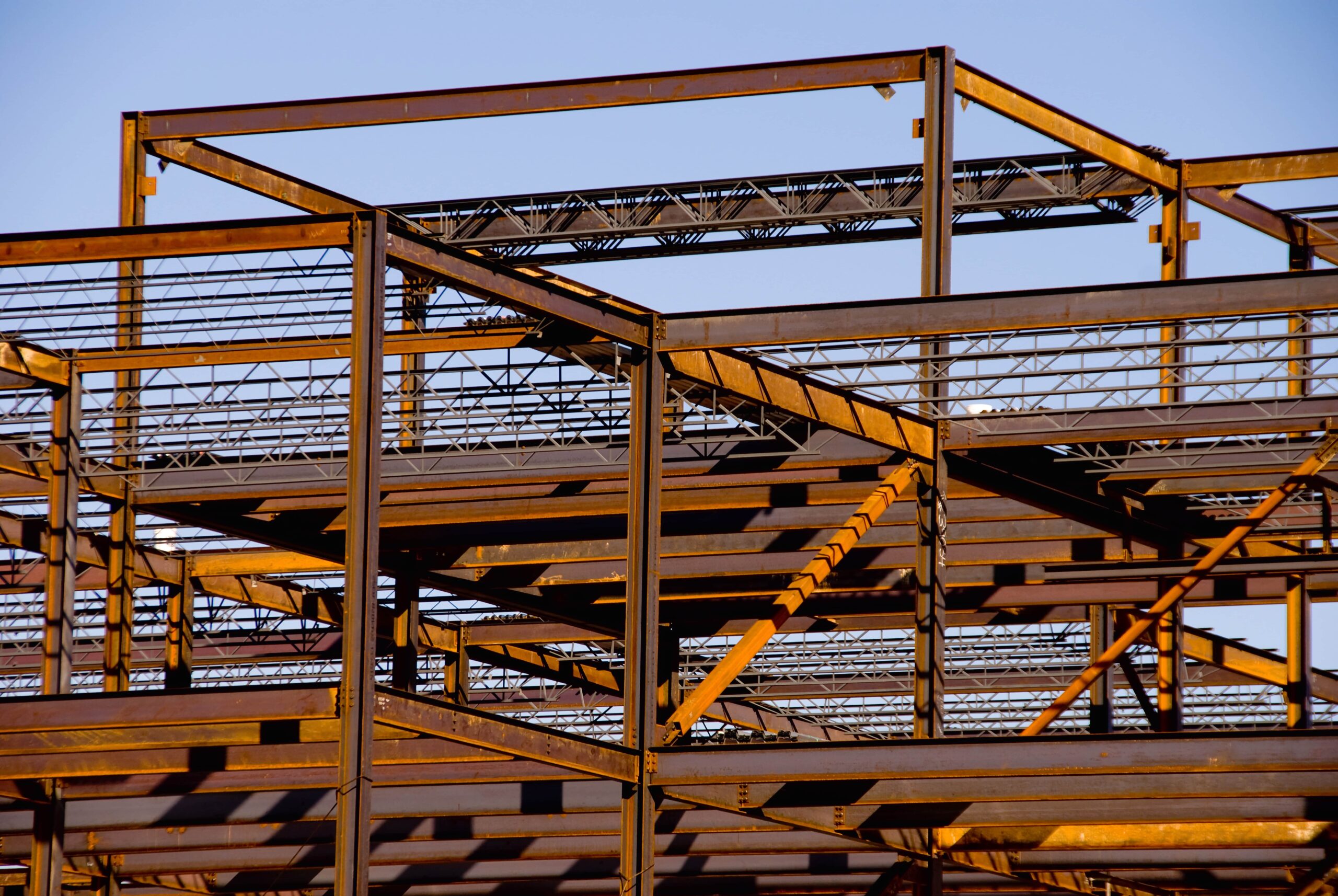
The field of structural engineering is a distinct field belonging to civil engineering that focuses on the planning and analysis of structures which withstand or oppose loads. It covers a range from viaducts and high-rise buildings to single-family houses and stadiums. Structural engineers guarantee that these structures can tolerate the different forces they experience, including weight, wind, and earthquakes. By utilizing https://structuralengineersurrey.co.uk/best-structural-engineer-surrey/ of physical science and material science, they develop safe and optimal plans which satisfy the planned purpose of the edifice.
The role of engineers in this field remains critical in modern construction initiatives. They work closely with designers and various specialists to verify that the design vision is achievable while also being structurally sound. This requires computing loads, examining materials, and using cutting-edge tools such as advanced design software. Each project offers specific issues, and structural engineers are required to modify their solutions to align with specific site conditions, building codes, and safety regulations.
As the globe changes, so too does the discipline of this engineering specialization. Cutting-edge materials and approaches are developing to improve eco-friendliness and strength in building design. With global warming and city growth introducing new hurdles, professionals in this field stand at the forefront of developing solutions that integrate visual appeal, usability, and sustainability. The outlook of structural engineering is set to witness progress that not just shape our skylines but also promote safer, greener construction practices.
Progressions and Developments in Civil Engineering
The area of structural engineering is constantly developing, with innovations influencing the way buildings and constructions are designed and erected. One significant trend is the rising use of sophisticated materials such as carbon fiber reinforced polymers and high-performance concrete. These materials not only boost structural integrity but also support to sustainability by reducing the environmental impact associated with construction. The focus on energy-efficient designs is driving engineers to investigate materials that offer superior strength while being less heavy and more environmentally friendly.
Another crucial movement is the integration of digital tools in the planning and analysis processes. BIM is transforming how structural engineers work together with architects and other fields. By creating a comprehensive digital representation of a project, BIM allows for better visualization, coordination, and management of construction activities. Additionally, the incorporation of machine intelligence and automated learning is enabling engineers predict potential structural issues and optimize designs, ultimately resulting to safer and more stable and more effective structures.
Sustainability is at the center of modern structural engineering methods. Engineers are progressively focusing on sustainable building standards and green construction methods. This includes implementing techniques such as modular construction, which decreases waste and improves energy efficiency. As the call for sustainable structures rises, the role of structural engineers is becoming more critical in ensuring that projects not only comply with building codes but also contribute the natural surroundings and society.
The Role of Civil Engineers in Green Design
Structural engineers play a vital function in promoting environmental responsibility within the man-made space. By including green design principles, they assist minimize the ecological impact of building projects. This includes selecting materials that are responsibly sourced and improving the use of materials to minimize waste. Civil engineers collaborate closely with designers and builders to ensure that sustainability is integrated into every aspect of the design, from the base to the final details.
New technologies and practices are increasingly being adopted by civil engineers to further enhance sustainability. For instance, the adoption of sophisticated computational tools enables better analysis and modeling of structures, leading to better designs that use fewer materials without compromising security or performance. This proactive approach not only adds to the structural integrity of buildings but also correlates broader goals of lowering carbon footprints and increasing energy efficiency.
Moreover, civil engineers are pivotal in the lifecycle assessment of structures, analyzing how their designs will perform over time. They consider factors such as energy consumption, durability, and the capacity for reuse or repurposing of materials at the end of a structure's life. This holistic approach ensures that structures are not just sustainable during construction but remain ecologically responsible throughout their full existence, thereby encouraging a more green future in building design and engineering.