

Scaffolding has long been the foundation of the construction industry, providing the essential support and access needed for a wide variety of projects. As we look to the future, understanding the trends and innovations shaping this industry is crucial for both experts and homeowners alike. With a growing emphasis on safety, productivity, and sustainability, the landscape of scaffolding is evolving, driven by advancements in tech and a rising awareness of health and safety standards.
From home renovations to large-scale industrial projects, scaffolding plays a crucial role in ensuring that work can be performed safely and efficiently. As trends such as mobile scaffolding vs. fixed scaffolding gain traction, and custom designs become more prevalent, it is important to stay updated about the options available. Additionally, rules and compliance requirements are continuously changing, making it essential for contractors and workers to be up-to-date with the newest guidelines. This article will examine the key trends that are influencing the future of scaffolding, offering insights and critical tips for those involved in construction projects of any size.
Crucial Security Guidelines for Scaffolding
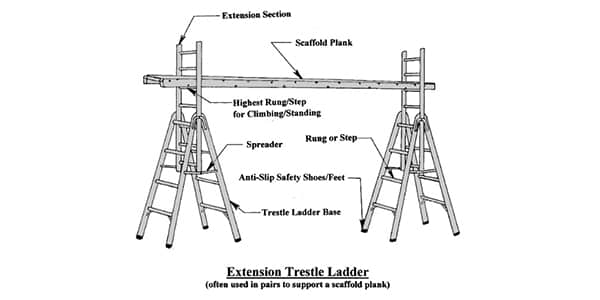
Security is paramount when working with scaffolding, and adhering to particular guidelines can significantly reduce the likelihood of mishaps. First, it is essential to ensure that all scaffolding components are in good condition and adhere to sector standards. Frequent inspections should be conducted to check for any signs of deterioration, degradation that may affect their safety. Additionally, it is crucial to use suitable safety gear, including head protection, harnesses, and non-slip footwear, to protect personnel at all levels of the scaffold.
Proper assembly and usage of scaffolding are vital for maintaining a safe work environment. Scaffolds must be erected on firm ground, and the footing should be flat and capable of supporting the intended load. Employees should avoid putting too much weight on scaffolding and adhere strictly to the load capacity recommendations. Moreover, it’s best to implement barricades and toe boards to prevent falls and ensure that all personnel are aware of their surroundings while elevated.
Instruction and dialogue play important roles in scaffolding safety. All workers should receive thorough training on scaffold assembly and disassembly methods, as well as safe work practices specific to their duties. Regular safety meetings can help stress the importance of following protocols and allow team members to discuss any issues or uncertainties. By fostering an environment of open communication regarding safety practices, construction sites can minimize risks and enhance the overall protection of scaffolding operations.
Forms and Choosing of Scaffolding
Selecting the suitable type of scaffolding is crucial for the success of any construction project. There are various types of scaffolding on the market, each intended for particular applications. The most common types include frame scaffolding, which is easy to assemble and commonly used for residential and commercial buildings; tube and fitting scaffolding, which offers versatility and strength by using various components to form bespoke structures; and mobile scaffolding, which enables for easy relocation on site. Understanding these forms ensures that project managers can choose the most suitable scaffolding for their particular needs.
When selecting a scaffolding system, various key factors must be factored in. The scope of the project, comprising height, load requirements, and working conditions, plays a significant role in selection. For instance, projects that need extensive work at height might benefit from a more robust system like tube and fitting scaffolding, while minor maintenance or painting jobs may only require a simple mobile scaffold. Additionally, cost, installation time, and safety compliance are critical factors to avoid potential hazards and ensure a successful construction process.
Finally, proper planning and expert advice can lead to effective scaffolding selection. It’s recommended to seek advice from scaffolding professionals who are familiar with the local regulations and standards. They can offer insights into the necessary safety measures and help identify the best scaffold type for your specific project. Whether it’s for commercial, residential, or industrial purposes, the goal remains the same: to create a safe and efficient working environment for all personnel involved.
Guidelines and Best Practices
Compliance to support structures regulations is essential for maintaining the safety and compliance of any construction project. Different countries have established protocols that dictate the layout, construction, and use of scaffolding, aimed at protecting workers and the public. Key regulations typically cover aspects such as load capacity, material specifications, and the qualifications of personnel responsible for scaffolding assembly and disassembly. Familiarity with local laws and industry standards is crucial for site managers and contractors to minimize risks and avoid legal repercussions.
Best practices in scaffolding not only boost safety but also improve overall efficiency on construction sites. This includes performing comprehensive inspections before each use, ensuring proper assembly by trained professionals, and providing appropriate safety gear for workers. Regular maintenance is equally important, as it helps spot potential hazards before they become serious issues. Site managers should develop, implement, and frequently update scaffolding inspection checklists to ensure compliance with safety regulations and to address any developing challenges promptly.
Investing in professional scaffolding installation is vital for any construction endeavor, especially for complex projects. A properly structured and properly installed scaffolding system takes into account the specific requirements of the job, including weight distribution, access needs, and environmental factors. By engaging experienced https://safetynettingoxfordshire.uk/ and utilizing high-quality materials, construction firms can reduce risks related to scaffolding failures. Moreover, providing ongoing training for workers regarding safety standards and best practices ensures that everyone remains vigilant and knowledgeable about potential hazards on the job site.